15 NOVEMBER 2026
By Gorka Di Capitan
An Influencer Needs a Creator They Can Trust
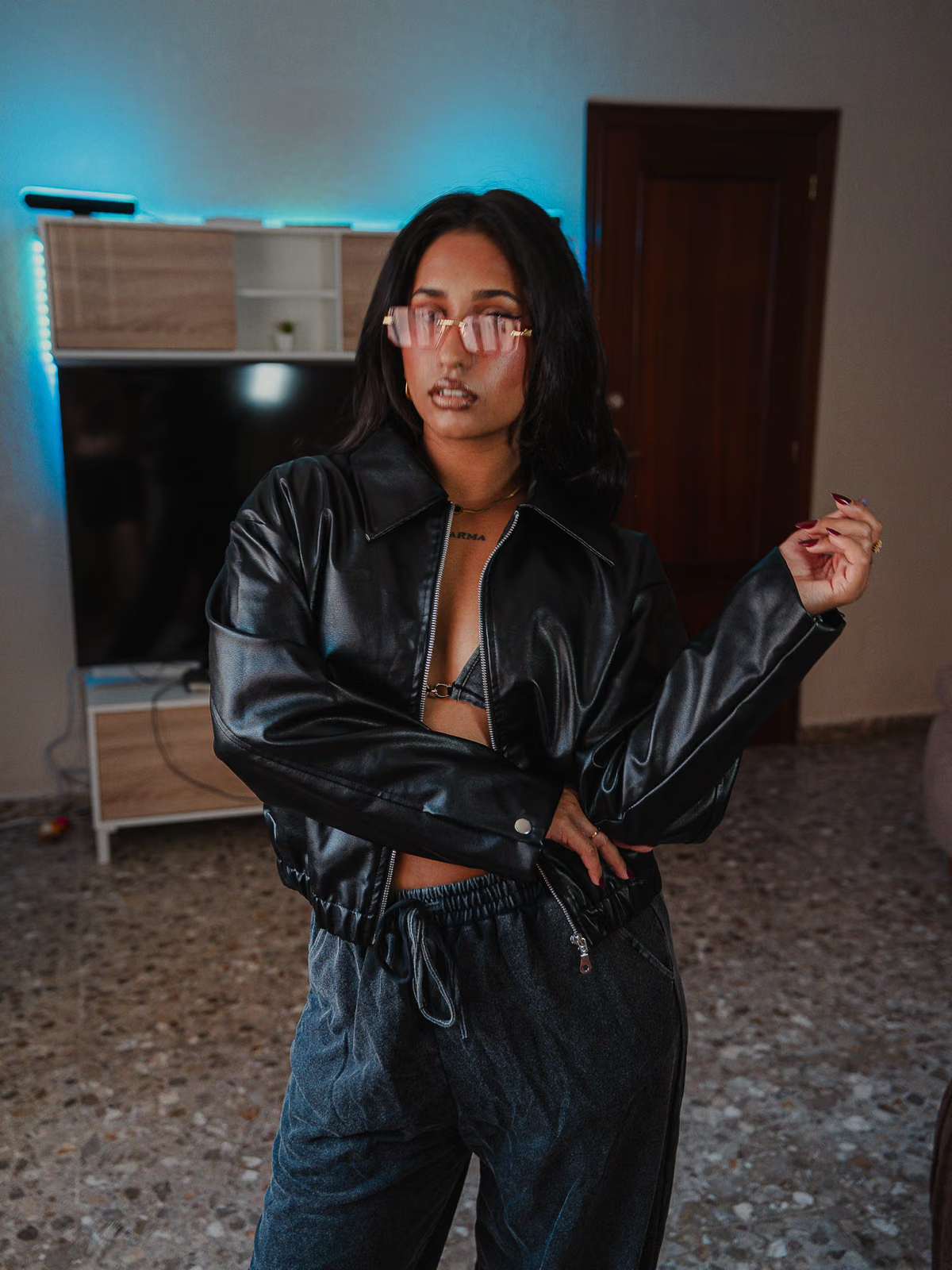
Maholas is a content creator in Valencia. Beauty, fashion and lifestyle, more than sixty campaigns and thirty two thousand followers since 2019. She did not come to me because she needed someone to take her picture. She has been in front of cameras for years and she is good at it. What she needed was one person to look after the whole of it: the photos, the video, the identity and a website where a brand can land and understand in ten seconds who she is and what she has done.
When a creator writes to me looking for a photographer for influencers, the request is usually one session, a folder of files and goodbye. I want to explain why I usually suggest something different.

A creator is a company with one product
Most of my clients are companies. Restaurants, hotels, drinks brands. A creator is a company too, with one product, herself, and with the same problem every company has: the people who might pay her need to find her and to see her work presented the way they are used to seeing work presented.
That last part matters more than it sounds. A brand manager choosing between three creators for a campaign is looking at a feed, and a feed is not built to work as a portfolio. It scrolls, it mixes paid and personal, and it shows a hundred different people's photography with no way to tell whose is whose.
What loose photos cost you
Here is what a year of one-off sessions looks like from the outside. Five photographers and five ways of handling skin tones. The feed reads like five different people. When a brand asks for a media kit you build it the night before, out of whatever you have, and it looks like it.
None of those photographers did anything wrong. Each one did a good session. The problem is that nobody was in charge of the whole picture, and nobody had that job.
What we built for Maholas
The photography and video were shot for the way a brand expects to see them: clean and consistent, usable on a campaign page or in a pitch without re-editing. The identity is one set of type, colours and rules that holds across all of it.

Then the website. maholas.com went live in September 2026 with the structure a search engine can read from day one: her own domain, two languages, every campaign with its own page and room to keep adding without rebuilding anything. When she does the next campaign, it gets its own page too. The point is that brands find her, instead of her chasing them. The full project is on my portfolio.
The site is young. Search numbers on a website that is a few weeks old mean nothing, so I am not quoting any. In three to six months they will mean something, and they will go on her project page when they do.
Why one creator instead of five?
Because I know her face, how it takes light, which side she prefers, what her brand looks like when it is right and when it is drifting. The fifth session is faster and better than the first, and that only happens with continuity.
It also means that when a brand emails on a Tuesday and wants content by Friday, she does not have to explain herself to a stranger.
Trust is a big part of what she is paying for. She can send a client to her site without checking it first. That is what a creator of your own buys you: someone keeping your name in order while you get on with the work.
If you are a creator or an influencer and your material is scattered across a dozen folders, my personal branding work starts there, with a session, and it can end with the whole platform around it. Write to me and tell me what brands keep asking you for.
Thinking about a project of your own?