16 AUGUST 2026
By Gorka Di Capitan
Editing Is Not Cheating
Being a photographer today is not just knowing about light, cameras and framing. Editing is part of the job, and it has been part of it for much longer than people think.
Every time I say this, someone brings up the purists. Real photography happens in the camera, they say, and editing is a modern vice. It was never true.
Film was already editing
Before digital, your choices started at the shop. Choosing a roll of film was choosing your ISO. Your chemicals decided how much contrast you got, how much saturation, how deep the blacks went. Some of us even shot expired rolls on purpose, chasing colour shifts nobody could predict. The darkroom was an editing suite that smelled of chemicals.
Two different rolls would give you two different photographs of the same table. That was the grade, before the word existed. Nobody called those photographers cheaters. They were deciding how the final image should look, the same decision you are looking at in the cover of this article. Drag it and you are looking at my darkroom.
A bit of AI is still editing
Editing keeps evolving, and lately that includes AI tools inside the same editors I have used for years. In this pair from an Encore shoot, the after side had help from AI to finish the moment. The bar, the uniform and the bottle are real, photographed that same evening.
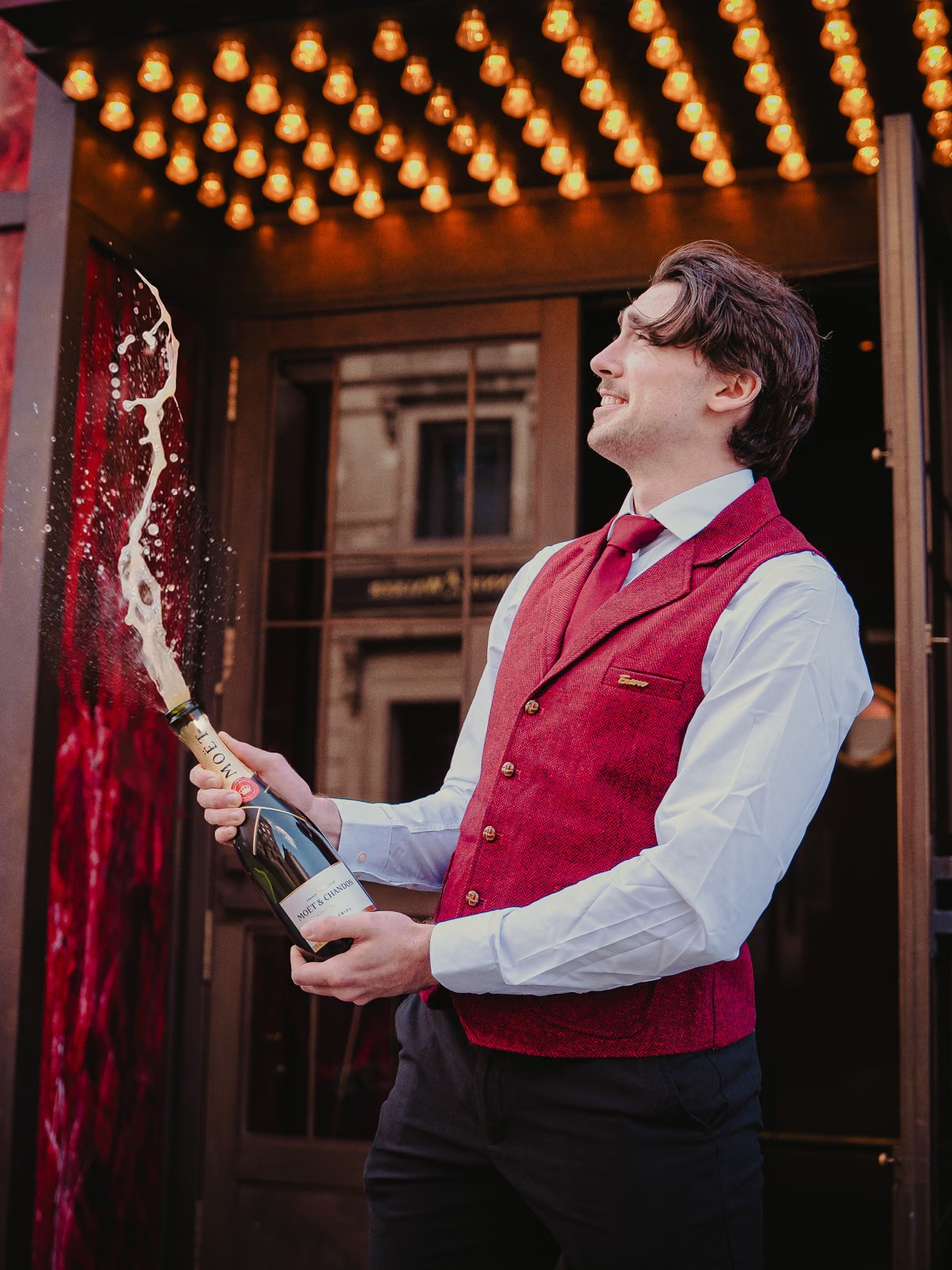
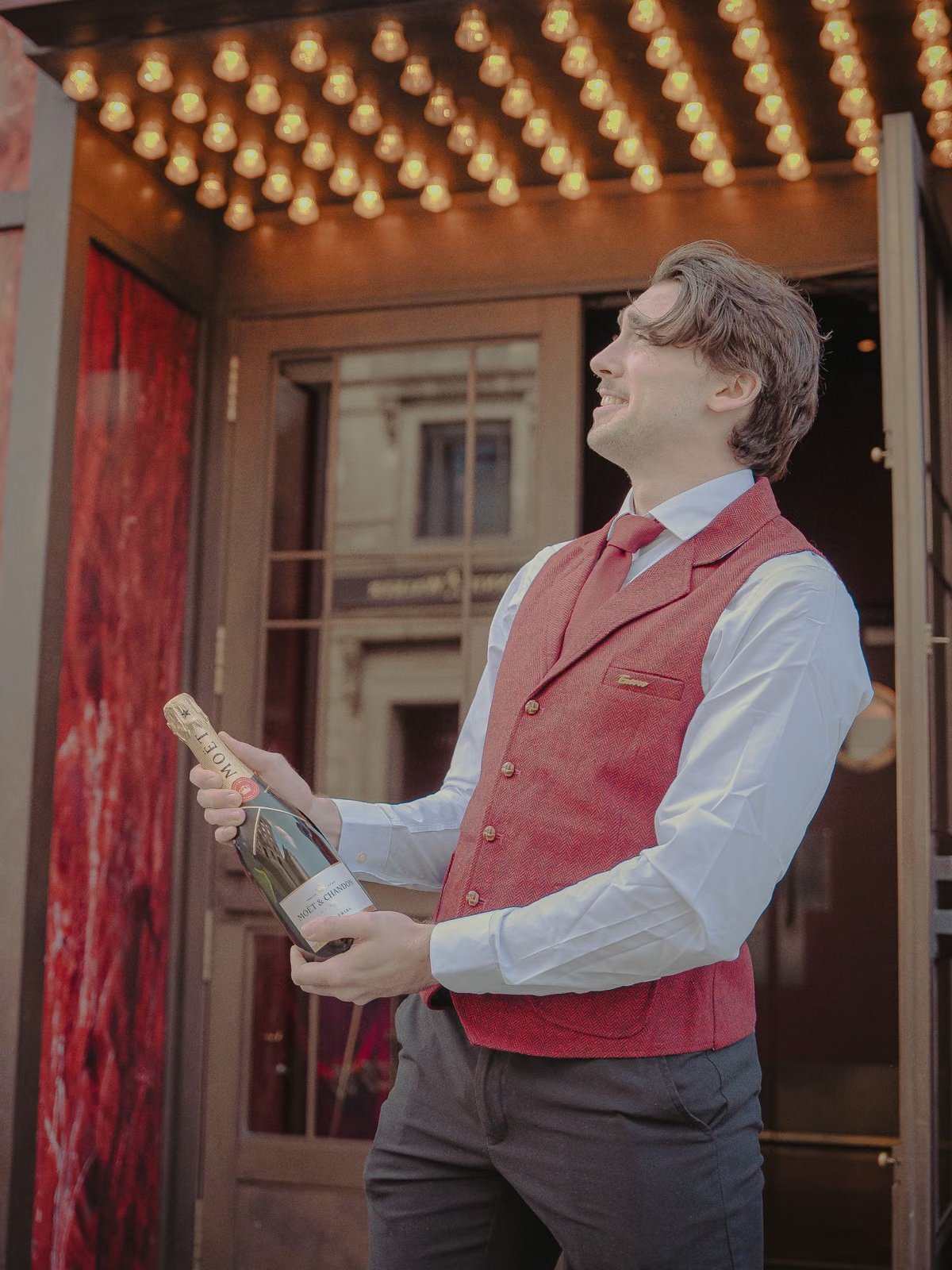
For restaurant advertising, my line is simple: the dish should have existed. Correcting colour, cleaning a spill or removing the hand holding a bottle still begins with a real photograph. Generating a plate that the kitchen never prepared is something different. I am writing an article about that too, and it will be here soon.
What the camera actually sees
Modern cameras capture in RAW. When I shoot RAW, the first version normally looks flat and muted. It contains the information I need, but it is not a finished photograph.
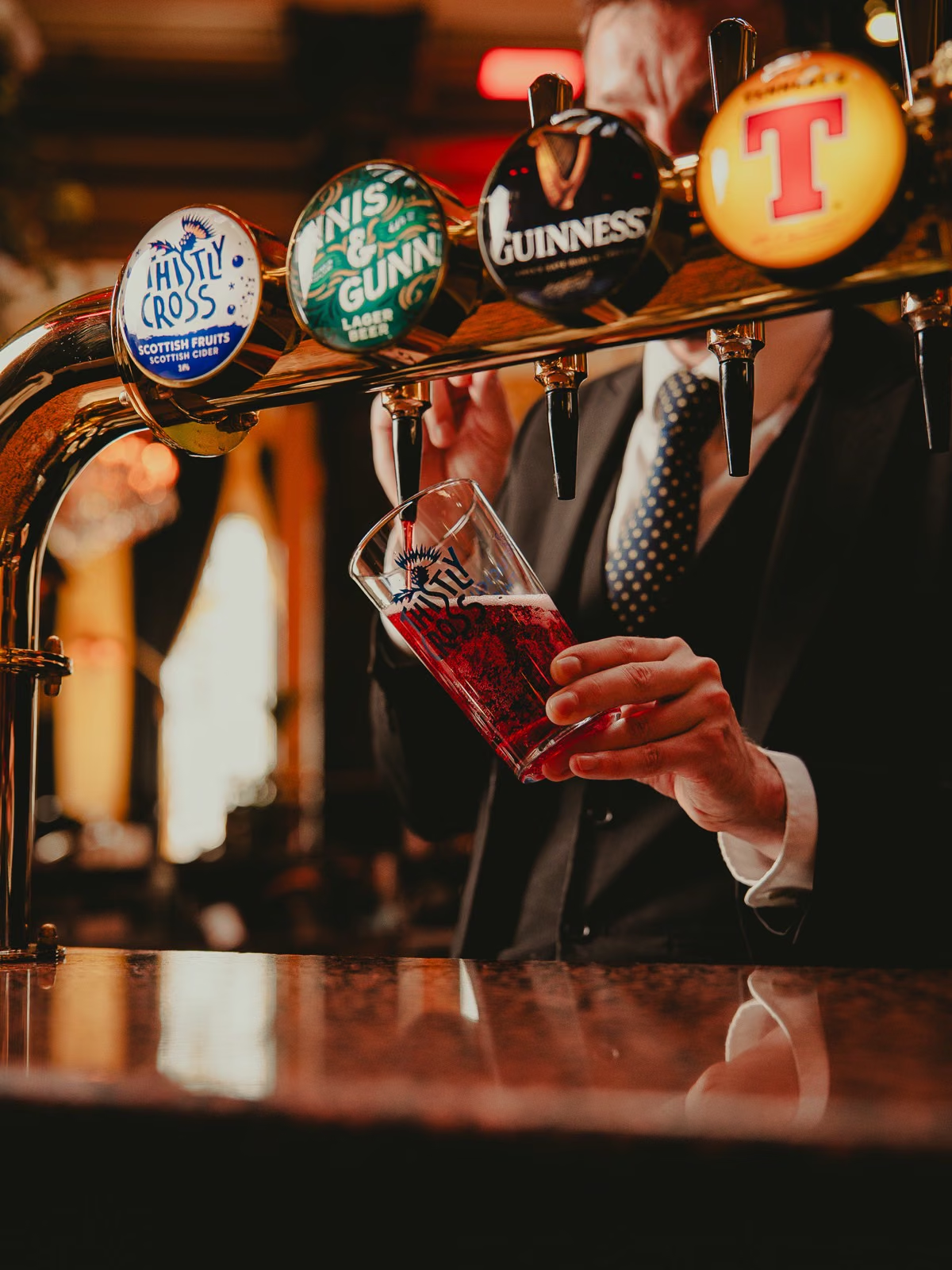
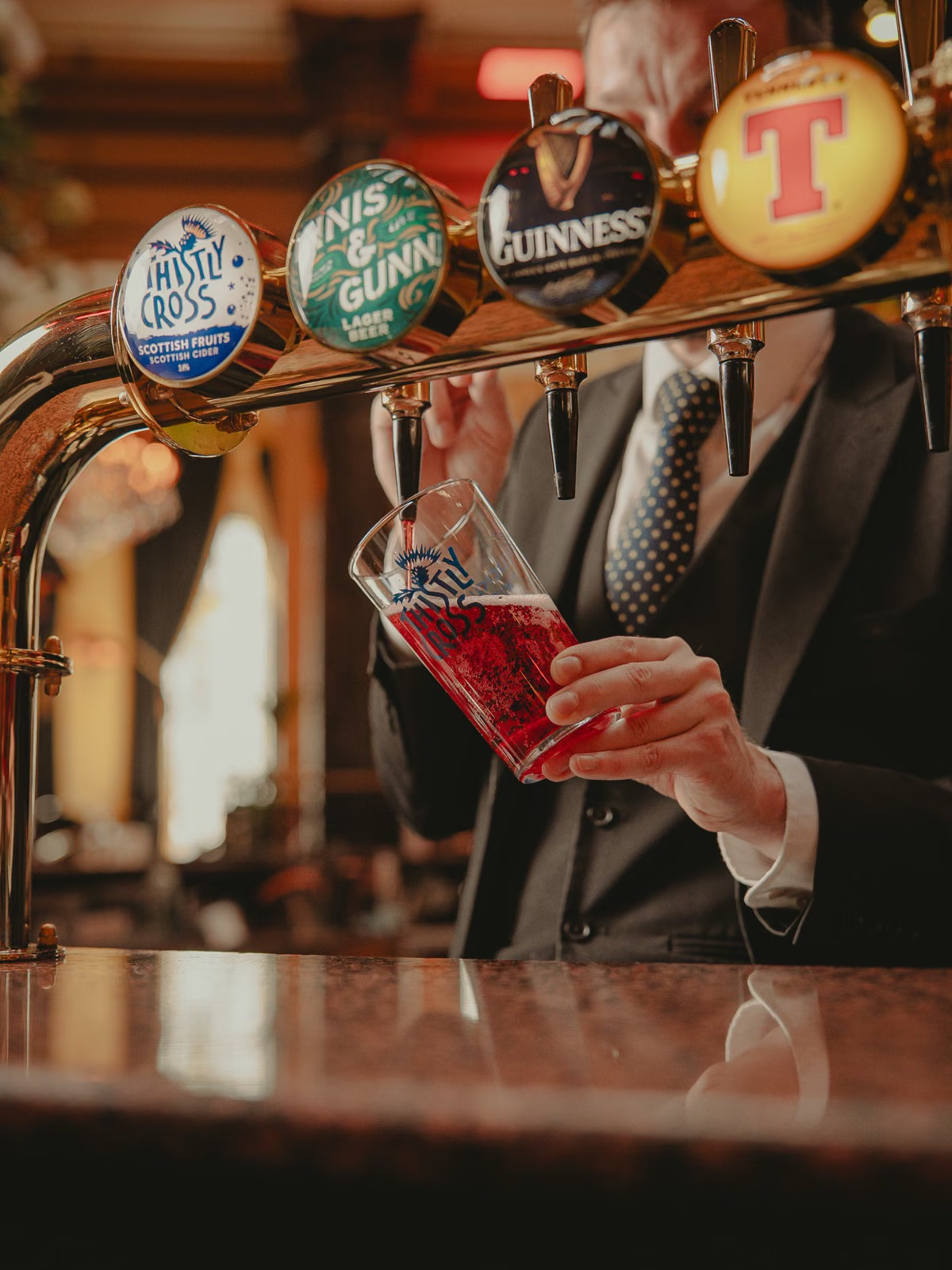
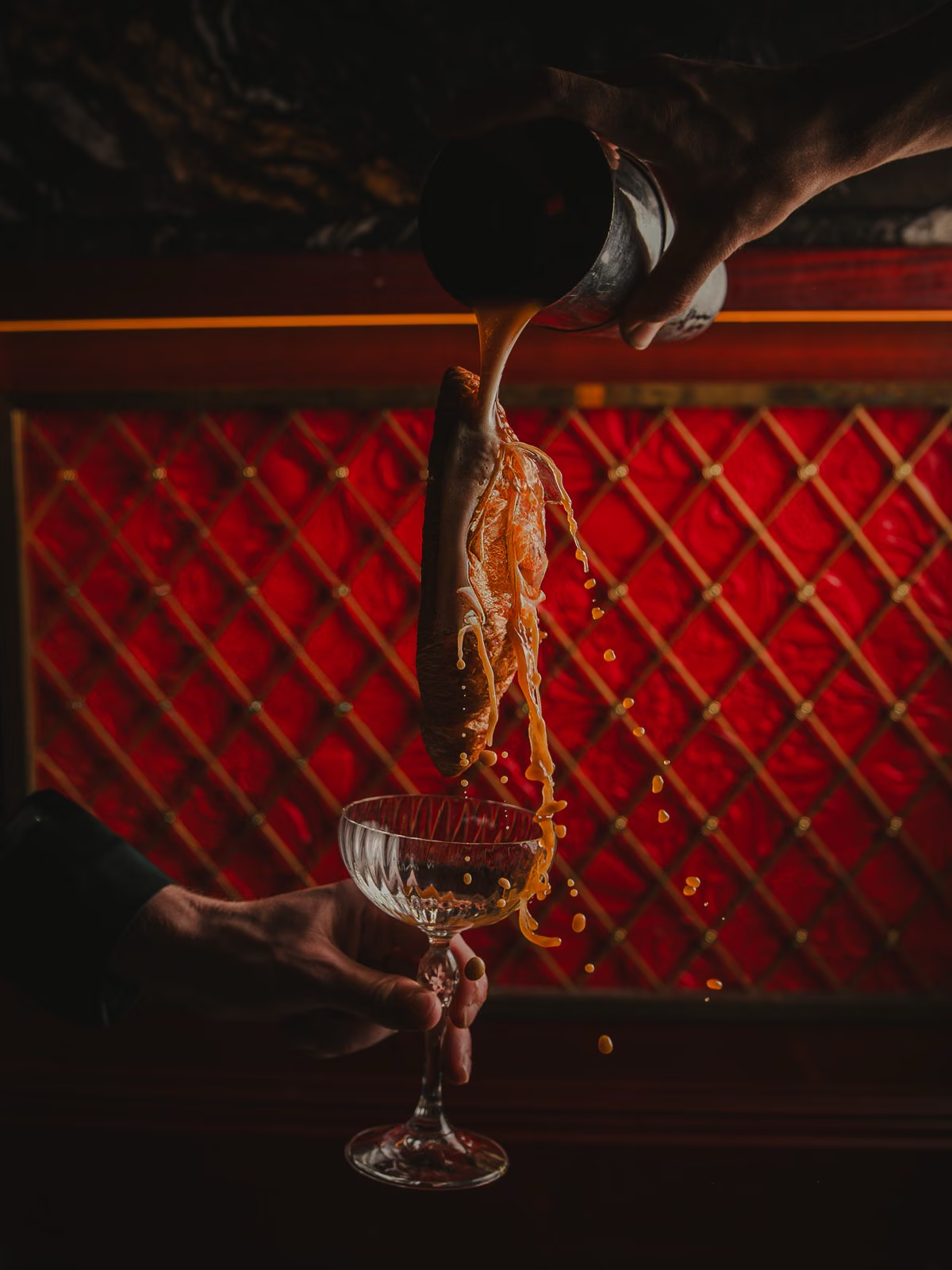
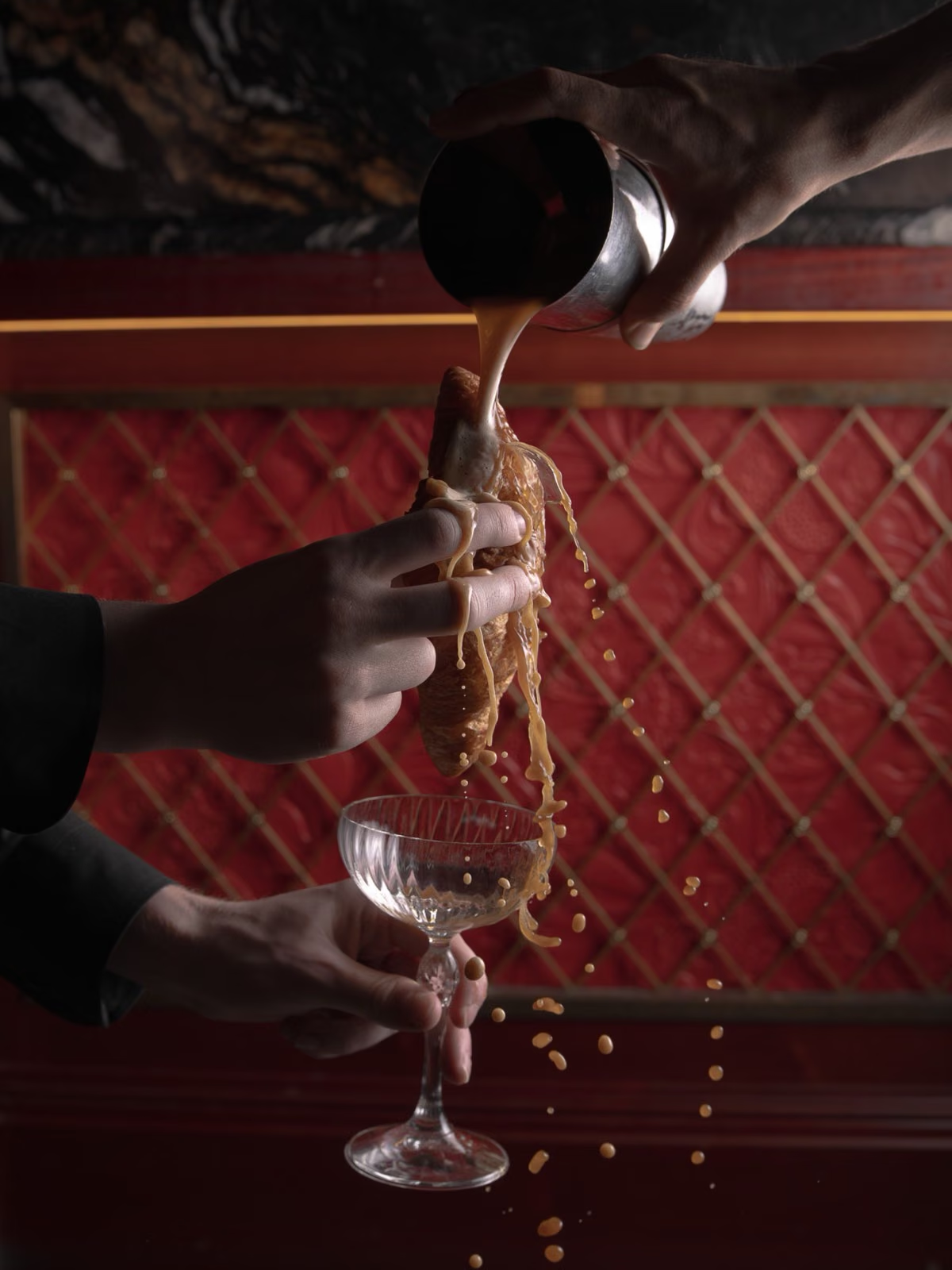
Look at this pour. On one side, what the camera recorded that afternoon. On the other, the bar at The Dome as it actually felt: the brass shining, the cider glowing red, the marble catching the light. Editing did not invent that scene. Editing brought it back.
When editing means removing things
Sometimes there is no campaign crew. On this shoot we had no fishing line to hold the bottle in the air, so a hand held it and I removed it later in the edit. A bigger production could have solved it with a rig, more people and more time. We solved it with a hand and a few minutes in the edit. The client got the photograph we had planned.


Editing has changed for over a century, from chemicals to sliders to AI. The job behind it has not: deciding what the photograph should say, and answering for every decision in it.
COMMERCIAL PHOTOGRAPHY: HOW I WORK →
Want your images finished like these?