What It Means to Be a Photographer Today
- Gorka Di Capitan
- Feb 26
- 2 min read
For a long time, being a photographer or videographer was quite easy to define. A client needed images, you showed up, you created them, and that was the job. The expectation was technical execution. Nothing more, nothing less.
But that definition does not really reflect how this work functions today, especially when you spend most of your time working with hospitality venues, independent businesses, and brands that are growing while trying to manage everything else at the same time.
In many cases, the work now goes beyond producing visuals. Not because we are trying to step into someone else’s role, but because the reality is that many businesses, particularly newer or smaller ones, have never had the time to think about marketing rhythm, key dates, or when they should actually be communicating something.

Some of the venues I work with regularly already know this very well. They know when they need content prepared for seasonal changes, they understand that certain periods of the year drive business more than others, and they plan ahead so that what we create has a clear purpose. There is an established dynamic, and everything becomes more intentional because of that shared awareness.
However, when working with new clients, it is very common to find that this structure simply does not exist yet. They are focused on opening the doors every day, running service, dealing with suppliers, managing staff, and solving immediate problems. Thinking about whether content should be created three weeks before a launch rather than the day after is not always something that naturally comes to mind.
And this is where, whether it is officially part of the brief or not, our role starts to shift slightly. Sometimes we have to remind the client that something important is coming up. Sometimes we suggest creating material earlier so it can actually be used properly. Sometimes we ask questions they have not had the chance to ask themselves yet.
This is not about doing extra work for the sake of it, and it is certainly not about trying to become consultants. It is simply about making sure that the creative work we produce can actually function in the real world, instead of existing as isolated images with no timing or context behind them.
When that alignment happens, both sides benefit. The client gets material that supports what they are trying to build, and we are able to create work that lives in the right moment instead of arriving too late to matter.
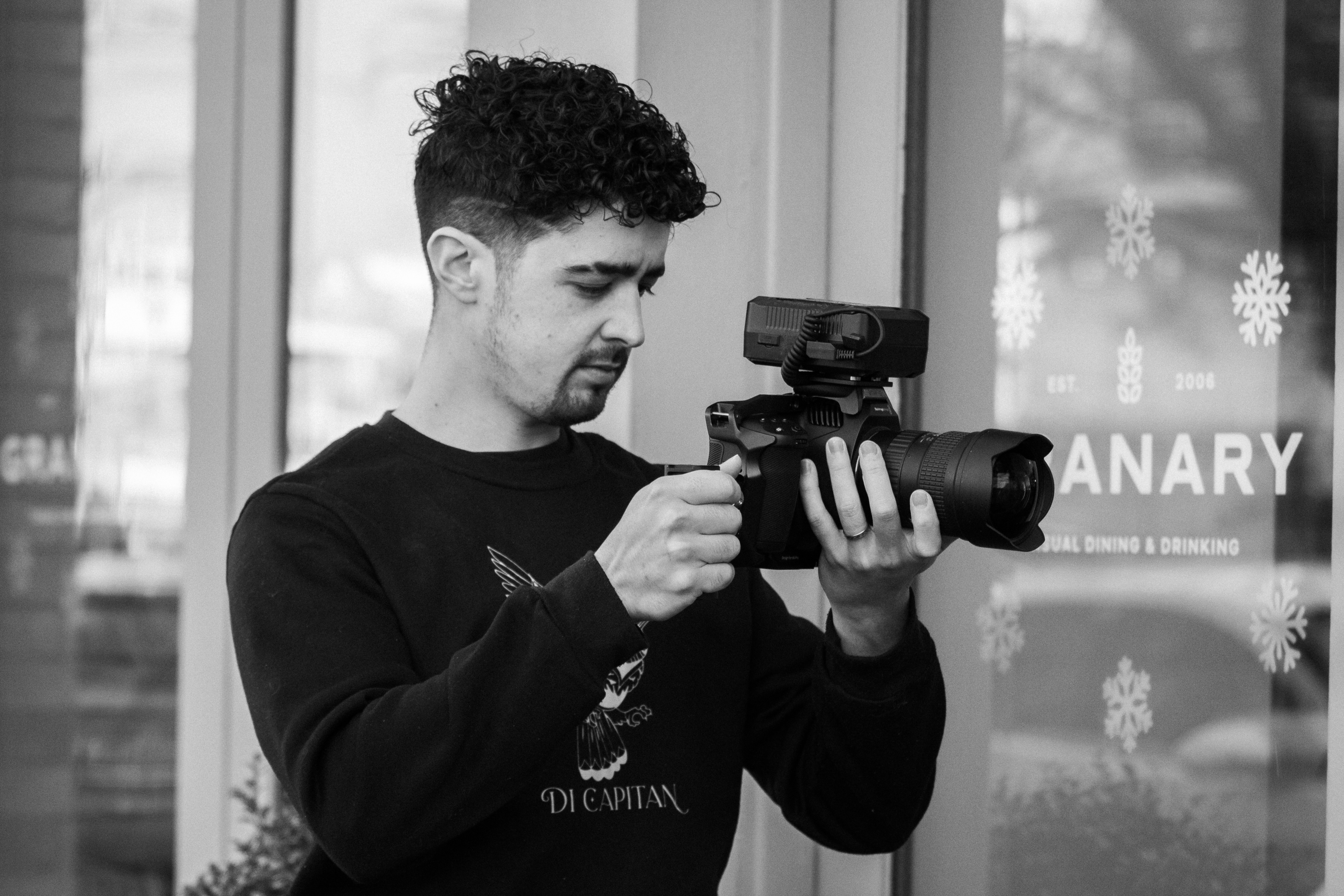
The tools we use are still cameras, lights, and editing software. That part has not changed. What has changed is the awareness around the work, and the understanding that creating visuals today often means helping clients see not just how something looks, but when and why it should be communicated.
In that sense, the job has not become something different, but it has definitely become something broader than it used to be, and maybe that is what defines the role today: not just capturing what a brand is, but helping it understand when it needs to be seen.


Comments